

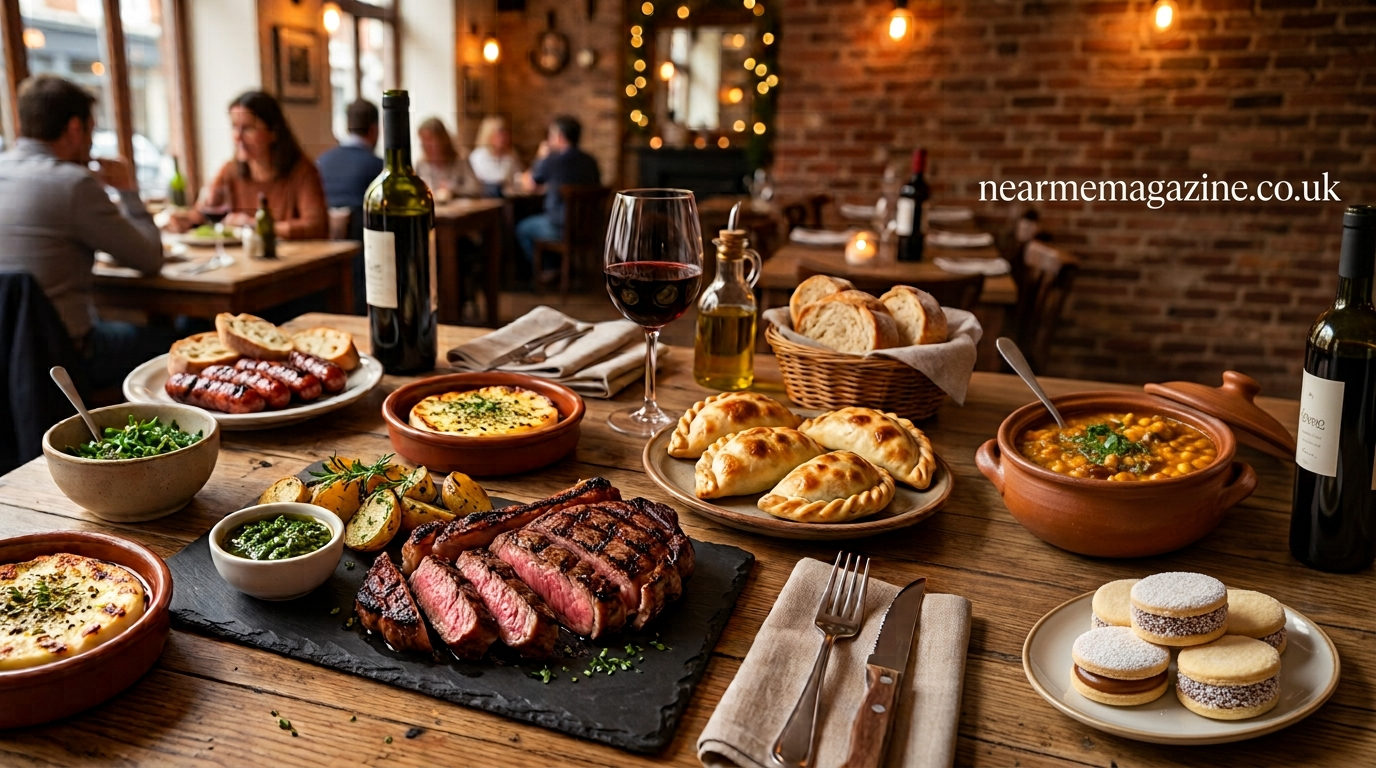
There is something special about discovering a country through its food. You can read about Argentina’s landscapes, football, music, and lively cities, but sitting down to a plate of homemade empanadas or a smoky serving of asado tells you something different. It feels personal, almost like being invited into someone’s home.
Traditional Argentine food is shaped by European influences, local ingredients, family traditions, and Argentina’s strong connection with cattle and farming. Some dishes are simple and comforting, while others are made for long meals shared with friends and family.
And honestly, that is part of the charm. Argentine cuisine does not always try to be complicated. It focuses on good ingredients, generous portions, and food worth sitting down for.
What Makes Traditional Argentine Food So Special?
Argentina has a fascinating food culture because its cuisine brings together several influences. Spanish and Italian immigration had a major impact, while Indigenous ingredients and regional cooking traditions also play an important role.
Meat is certainly famous, especially beef, but reducing Argentine cuisine to steak would mean missing half the story.
You will find savory pastries, hearty stews, grilled meats, sweet treats, sandwiches, fresh salads, and comforting soups. Different regions also have their own specialties, so the food can change quite a bit as you travel across the country.
The social side matters, too. Meals are often enjoyed slowly rather than rushed. An Argentine barbecue can turn into an afternoon gathering, while mate is closely connected with conversation and everyday life.
Traditional Argentine Food You Should Know
If you are exploring Argentine cuisine for the first time, a few dishes deserve a place at the top of your list.
Asado: Argentina’s Famous Barbecue
Ask someone about Argentine food and asado will probably come up quickly.
Asado is more than simply throwing meat onto a grill. It is a traditional barbecue style that often includes beef ribs, sausages, and other cuts cooked slowly over a fire or hot coals.
The preparation is part of the experience. Family members and friends may gather around while the meat cooks, chatting and enjoying drinks before the meal is served.
Chimichurri is commonly served alongside grilled meat. This fresh sauce is usually made with herbs, garlic, oil, vinegar, and seasonings. It adds a bright, slightly tangy contrast to rich grilled meat.
Empanadas: Small, Delicious Pockets of Flavor
Empanadas are one of those foods that are easy to love.
They are pastry pockets filled with ingredients such as beef, chicken, cheese, ham, onions, or vegetables. They may be baked or fried, depending on the style and region.
The filling can tell you quite a lot about where an empanada comes from. Some versions are spicy and richly seasoned, while others are mild and wonderfully simple.
They are also practical. You can enjoy them as a snack, quick lunch, party food, or casual dinner—no fancy table setting required.
Locro: A Hearty Argentine Classic
Locro is a traditional stew with deep cultural roots in Argentina. It is especially associated with national celebrations and colder weather.
The dish can include white corn, beans, potatoes, pumpkin, and different types of meat. It is thick, hearty, and filling—the kind of meal that makes sense on a chilly day.
If you want to explore this dish further, you can read about the best locro argentino near me and discover what to look for when choosing this Argentine classic.
Locro de Zapallo
A lighter variation worth knowing is locro de zapallo, which places pumpkin at the heart of the dish.
Pumpkin gives the stew a naturally sweet and creamy character. Depending on the recipe, it can also include corn, beans, potatoes, and herbs.
For home cooks, this locro de zapallo recipe is a useful starting point if you want to try making the dish yourself.
And if cooking is not really your thing, there is always the easier option: find the best locro de zapallo near me.
Milanesa: Argentina’s Take on a Comfort Food Favorite
Milanesa is another everyday favorite. It is typically made by coating thin slices of meat in breadcrumbs before frying or baking them.
The dish has clear Italian influence, particularly from the tradition of cotoletta and similar breaded meats.
One popular variation is milanesa napolitana, which is topped with tomato sauce, ham, and melted cheese. Think of it as a meeting point between a breaded cutlet and a pizza-inspired topping.
It is filling, familiar, and exactly the kind of food that works for a casual family meal.
Choripán: Simple Food Done Right
Choripán is proof that street food does not need a long ingredient list to be memorable.
It combines grilled chorizo sausage with crusty bread and is commonly finished with chimichurri or other sauces.
You will often find it at barbecues, football gatherings, festivals, and casual outdoor events. It is messy in the best possible way.
Sometimes the simplest foods are the ones you remember.
Humita and Regional Argentine Flavors
Humita is a corn-based dish found in parts of Argentina and other areas of South America. It can be prepared in different ways, including as a creamy corn mixture or as corn wrapped in husks.
Sweet corn, onion, spices, and cheese may feature depending on the recipe.
This is where Argentine cuisine becomes particularly interesting. While beef receives much of the international attention, regional dishes like humita show how vegetables, grains, and native ingredients contribute to the country’s food identity.
Argentine Desserts and Sweet Treats
A meal does not feel complete without something sweet, right?
Argentina has a strong dessert culture, and dulce de leche is its most recognizable ingredient. This rich caramel-like milk spread appears in cakes, cookies, pastries, ice cream, and countless homemade desserts.
Alfajores
Alfajores are sandwich-style cookies commonly filled with dulce de leche.
They come in wide varieties. Some are covered in chocolate, while others are dusted with powdered sugar or coconut.
They are excellent with coffee and make a great little treat when you want something sweet without committing to a huge dessert.
Dulce de Leche
Dulce de leche deserves its own mention because it appears everywhere.
Its creamy caramel flavor works beautifully with pancakes, toast, cakes, pastries, and ice cream. If you have a serious sweet tooth, Argentina will be a fun place for you.
Mate: More Than Just a Drink
Mate is technically a beverage, but it plays such an important role in Argentine culture that it deserves a place in any conversation about food.
It is made by steeping yerba mate leaves in hot water and drinking the infusion through a metal straw called a bombilla.
But mate is not simply about taste or caffeine. It is strongly associated with social connection. People often share it while talking, relaxing, studying, or spending time outdoors.
That communal tradition is one of the things that makes Argentine food culture feel so warm and distinctive.
How Italian Immigration Shaped Argentine Cuisine
You may notice something familiar when looking through an Argentine menu: pizza, pasta, and bread are all quite popular.
That is not a coincidence.
Large waves of Italian immigration influenced Argentina’s cuisine, especially in urban areas. Over time, Italian dishes were adapted to local tastes and ingredients.
Argentine pizza, for example, often has a thicker base and generous amounts of cheese compared with many Italian styles. Pasta is also deeply integrated into everyday Argentine dining.
This blending of cultures is one of the reasons Argentine cuisine feels both familiar and unique.
Where to Find Argentine Food
If you are lucky enough to live somewhere with Argentine restaurants, finding these dishes can be easier than you might expect.
Start by searching for restaurants that specialize in Argentine cuisine rather than choosing a general Latin American restaurant. A specialist restaurant is more likely to offer dishes such as empanadas, asado, choripán, locro, and milanesa.
You can also use a local search for Argentine food near me to explore nearby options.
Ordering When You Are New to Argentine Cuisine
Not sure what to order? Keep it simple.
Start with empanadas as an appetizer. For a main course, try asado or milanesa. If you see locro on the menu, especially during cooler weather or a cultural celebration, it is worth trying.
Finish with alfajores or a dessert featuring dulce de leche.
That gives you a pretty good introduction without ordering half the menu.
What If You Prefer Eating at Home?
Sometimes you want Argentine food without going out. Maybe the weather is terrible, the baby is asleep, or you cannot be bothered to change out of your comfortable clothes. Fair enough.
In that case, food delivery can be a convenient alternative. You can search for “food delivery near me” to see what options are available in your area.
For a quicker meal, takeaway near me can also help you find convenient local choices.
And if you are suddenly hungry and need somewhere serving food right now, checking food near me open now can save you from scrolling through endless restaurant listings.
For broader local searches, you can also explore food near me and narrow your options based on cuisine, location, or opening times.
Traditional Argentine Food Is About More Than Recipes
What makes traditional Argentine food interesting is not just the ingredients or cooking methods. It is the way food fits into everyday life.
Asado brings people together. Mate creates a reason to sit and talk. Empanadas are shared at gatherings. Locro connects food with history and national celebrations.
Even simple dishes can carry memories and traditions from one generation to another.
That is probably why Argentine cuisine feels so welcoming. You do not need to know every dish or understand every regional difference before enjoying it. Start with something familiar, stay curious, and let your next meal introduce you to something new.
Final Thoughts
Traditional Argentine food offers a wonderful mix of bold flavors, comforting recipes, regional traditions, and cultural influences. From smoky asado and savory empanadas to creamy locro, crispy milanesa, and sweet alfajores, there is plenty to discover.
What I like most is that Argentine cuisine does not seem overly complicated for the sake of being impressive. Good meat, fresh ingredients, careful cooking, and people gathered around a table can be enough.
So, if you have only tried one Argentine dish, consider this your excuse to try another. You might start with an empanada and end up discovering a whole new food culture.
Frequently Asked Questions About Traditional Argentine Food
1. What is the most popular traditional Argentine food?
Asado is one of the most famous traditional Argentine foods. It refers to a barbecue style featuring grilled beef, sausages, and other meats, often served with chimichurri. Empanadas, milanesa, and locro are also widely enjoyed.
2. What do Argentinians typically eat for dinner?
Argentine dinners can include grilled meat, milanesa, pasta, empanadas, stews, or other home-cooked dishes. Dinner is often enjoyed with family and may be a relaxed, social meal rather than a rushed one.
3. What is a traditional Argentine dessert?
Dulce de leche is a major part of Argentine desserts. It is commonly used in alfajores, cakes, pastries, pancakes, and ice cream. Alfajores filled with dulce de leche are particularly popular.
4. Is Argentine food spicy?
Generally, traditional Argentine food is not very spicy. Argentine cuisine tends to focus more on grilled flavors, herbs, garlic, onions, and rich sauces. Chimichurri can add plenty of flavor without necessarily being hot or spicy.
5. What should I try first when eating Argentine food?
If you are new to Argentine cuisine, start with empanadas, then have asado or milanesa as your main dish. For dessert, try an alfajor with dulce de leche. This gives you a nice introduction to several classic Argentine flavors.
